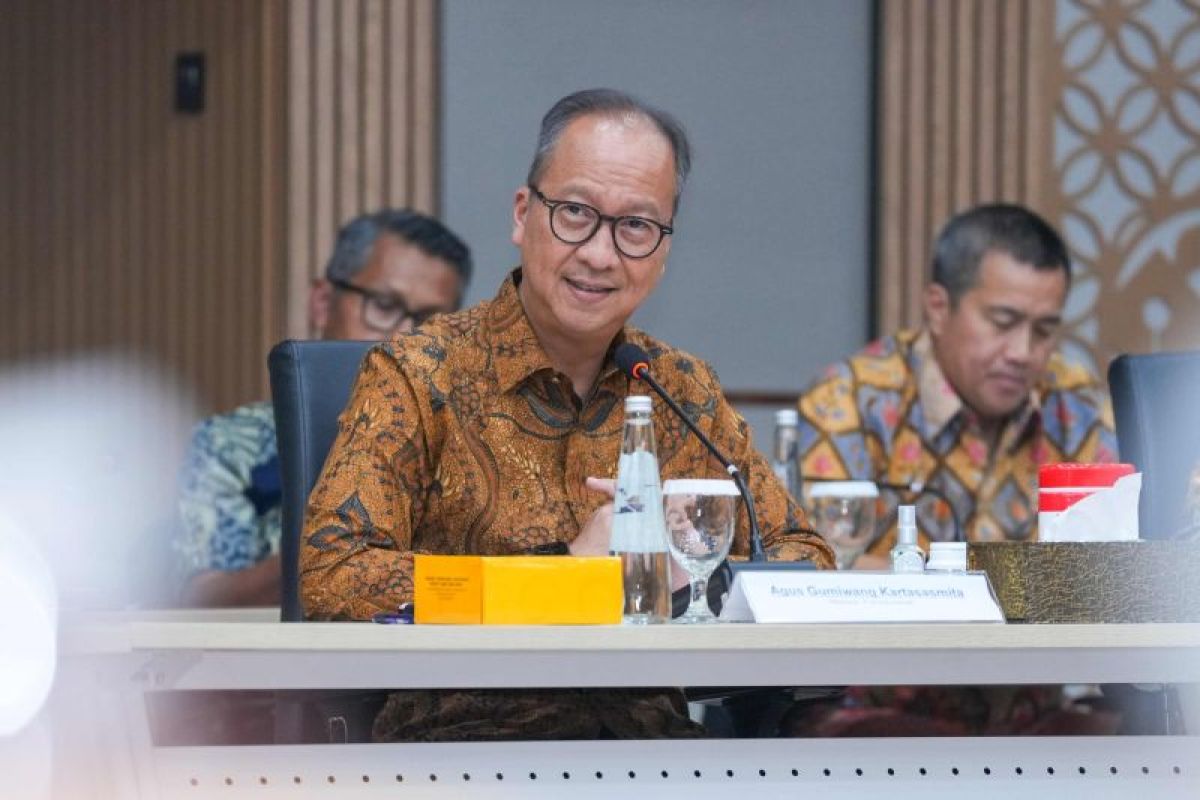
Jakarta (ANTARA) - Industry Minister Agus Gumiwang Kartasasmita has called on the domestic plastic industry to guarantee stock availability for the home market as global geopolitical tensions threaten raw material supply chains.
Following a meeting with upstream and downstream producers in Jakarta on Thursday, Kartasasmita expressed optimism regarding domestic supply while noting that the government continues to monitor global developments impacting production and inventory levels.
"We have received assurances from the industry that plastic stocks should face no issues," he said in a statement, emphasizing that officials remain vigilant regarding the impact of international instability.
The Ministry of Industry is closely tracking geopolitical dynamics, particularly in the Strait of Hormuz. Disruptions there risk affecting the supply of petrochemical feedstocks essential for the national plastic subsector.
Industry representatives committed to maintaining supply continuity, specifically for small-scale enterprises, to ensure their products remain competitive. However, the ministry acknowledged that regional conflicts have already distorted domestic price structures.
Price adjustments may occur due to rising logistics and freight costs, premium surcharges, and shipping delays. According to the minister, average delivery times have surged from 15 days to as many as 50 days.
"This condition certainly impacts production costs," Kartasasmita stated, adding that the situation serves as a lesson for Indonesia to strengthen its national petrochemical independence and reduce reliance on imported raw materials.
Investors at the meeting urged for stronger domestic market protections against imports to make the sector more attractive. The government aims to balance energy needs with the raw material requirements of the petrochemical industry.
The meeting also explored substituting naphtha with domestic alternatives such as crude palm oil (CPO). While costs remain high, the government views this as a viable strategy for diversifying raw materials.
"We must look at all national resource potentials as alternatives for the petrochemical industry, including CPO, though the economic challenges require careful calculation," the minister noted.
The meeting included major industry players such as the Indonesian Olefin, Aromatic, and Plastic Industry Association (INAPLAS), PT Chandra Asri Petrochemical, PT Lotte Chemical Indonesia, the Indonesian Plastic Recycling Association (ADUPI), Indonesian Plastics Recyclers (IPR), and the Indonesian Plastic Woven Industry Association (GIATPI).
The session also included the Indonesian Plastic Export Import Association (AEIXIPINDO), the Indonesian Flexible Packaging Industry Association (Rotokemas), the Biaxially Oriented Films Indonesia Association (ABOFI), the Common Sense Plastic Association Indonesia (PASTI), and the Indonesian Downstream Plastic Industry Association (APHINDO).
Pewarta: Ahmad Muzdaffar Fauzan, Martha Herlinawati SimanjuEditor : Ardi Irawan
COPYRIGHT © ANTARA 2026
Dilarang keras mengambil konten, melakukan crawling atau pengindeksan otomatis untuk AI di situs web ini tanpa izin tertulis dari Kantor Berita ANTARA.